
MultiVersus's Challenging 2026 Comeback: Navigating a Crowded Release Window
MultiVersus faces fierce competition in the 2026 live-service games release calendar, yet its platform fighter appeal and star-studded roster offer a compelling edge.
The return of MultiVersus to the gaming landscape was initially met with considerable enthusiasm. After its extended hiatus following the early access period that began in 2022, the full launch announcement promised a refined platform fighter experience, free from its previous beta status. The game, celebrated for its surprisingly solid mechanics and an extensive roster pulling from Warner Bros. Discovery's vast library of iconic characters, had built a significant following before player interest waned, largely due to concerns over microtransactions. As of 2026, the path to a successful relaunch is fraught with challenges, not least of which is the intensely competitive scheduling of major game releases surrounding its launch period, a situation that has only intensified since its initial planned return.
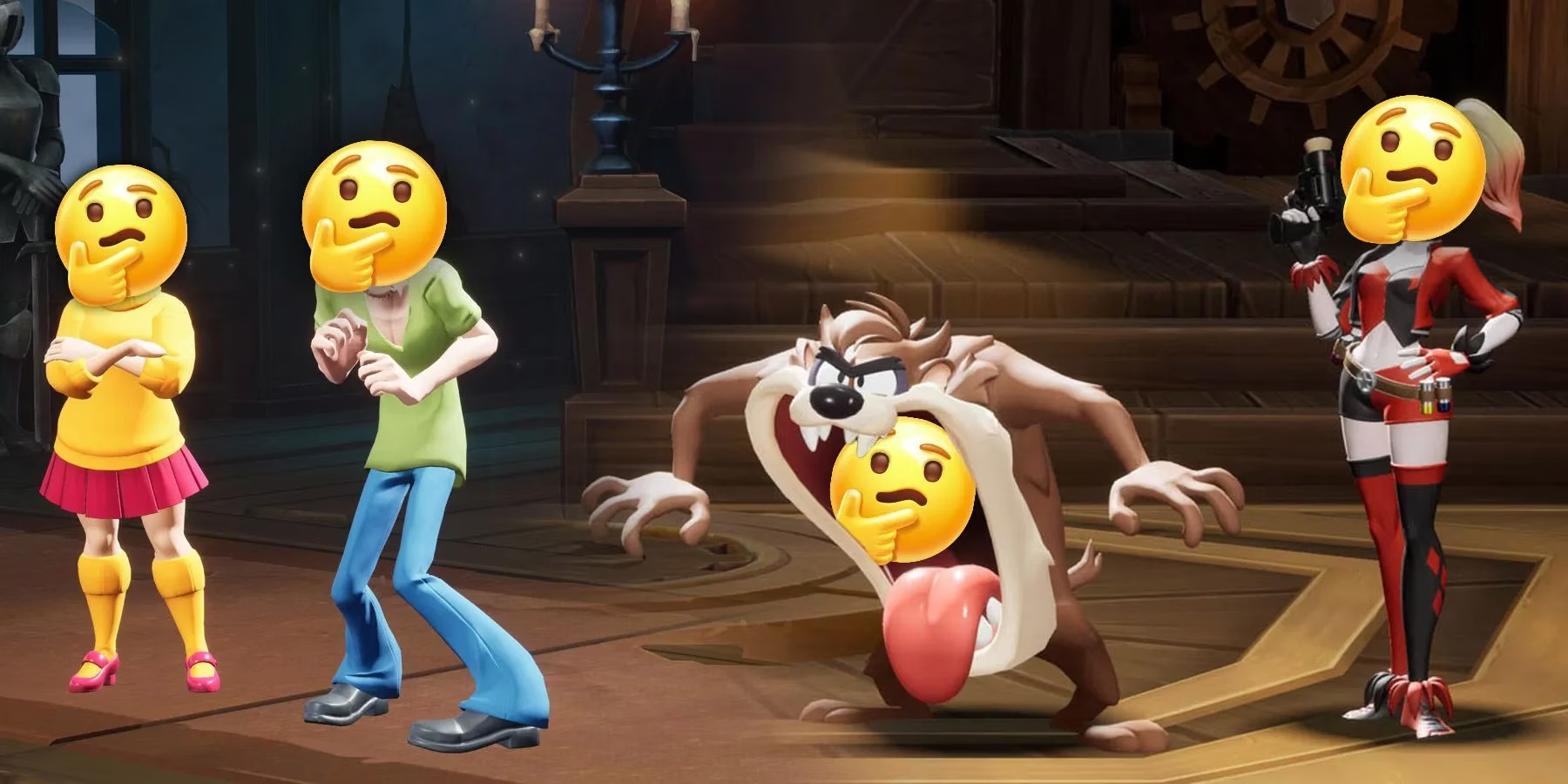
The release calendar for live-service games in 2026 is more packed and strategic than ever. For MultiVersus, standing out requires not just a polished product but impeccable timing—a commodity it finds in short supply. The month leading up to its launch is typically a battleground for blockbuster titles. While specific dates shift, the pattern remains: major franchises and highly anticipated sequels or remasters cluster in these windows, competing for player attention, streaming visibility, and media coverage. MultiVersus must contend with this relentless cycle, where a game can be eclipsed mere days after its debut by the next big thing.
This environment creates a steep uphill battle for player retention, the lifeblood of any live-service model. The initial surge of returning players from the game's early access heyday is crucial, but maintaining that population requires sustained momentum. When major releases from other genres capture the community's collective focus, it can siphon away the casual player base and content creators essential for keeping a fighting game's ecosystem vibrant. The risk isn't just lower initial numbers; it's a rapid decline in engagement before the game has a chance to demonstrate any post-launch improvements or new content.
However, MultiVersus is not without its unique advantages in this crowded field. Its core identity as a major platform fighter gives it a distinct niche. During a season dominated by expansive RPGs, intense survival games, and narrative-driven adventures, MultiVersus offers immediate, session-based competitive fun. This genre differentiation is its shield. Furthermore, the power of its IP roster cannot be overstated. The nostalgic pull and crossover appeal of characters ranging from superheroes to classic animation icons provide a built-in marketing hook that few other games can match, potentially drawing in audiences beyond traditional fighting game enthusiasts.
The developer's strategy for the 2026 launch will likely hinge on several key factors beyond just the release date:
-
Post-Launch Content Pipeline: A clear, compelling roadmap for new characters, stages, and modes announced at launch can give players a reason to stay invested for the long term.
-
Monetization Philosophy: Learning from past feedback to present a fairer model for cosmetics and unlocks will be critical in rebuilding trust and goodwill.
-
Community Engagement: Proactive communication and integration of community feedback will help solidify its dedicated player base against the pull of other games.
In the final analysis, the challenge for MultiVersus is not merely one of quality but of endurance. Its success will be measured not by its launch week metrics alone, but by its ability to carve out a permanent space in players' regular rotation amidst the relentless tide of new releases. The fighting game community is passionate but has many options. By leveraging its iconic roster, polished gameplay, and a committed live-service plan, MultiVersus has the tools to weather the storm of a packed release window and secure its place in the competitive gaming scene for years to come. The coming months will reveal whether it can execute this difficult comeback and finally achieve the lasting prominence it has long sought.